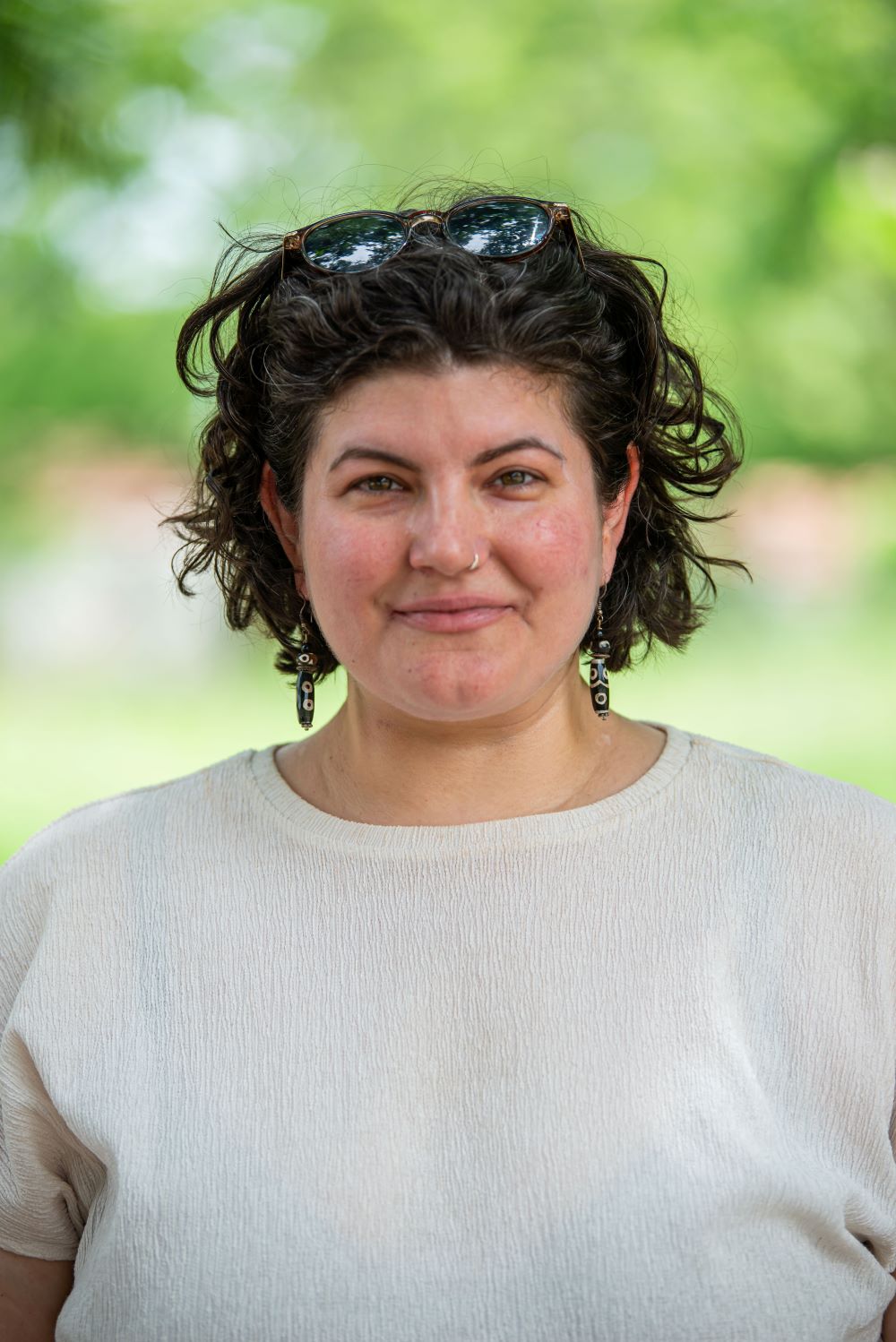
Natasa Chanta-Martin uses dance to approach music and promotes intercultural dialogue through performing arts. She specialises in dance anthropology and ethnochoreology and she focuses on traditions that use the voice and the body to produce music (body music, body percussion, tap dance, indian rhythmology, west african polyrhythms). Her projects towards community building and intergenerational work are: MoAM-Moving Around Music (since 2017), Athens Tap Jam (since 2014), Body Music Study Group (since 2017), as well as her active role at Anasa Cultural Center and International Body Music Festival . Natasa collaborates with artistic groups, minority groups, schools and institutions. Within Ghana, she has collaborated with the Department of Dance at University of Ghana Legon, National Theatre of Ghana, and Nunya Academy in Dzodze.
MIASA Project: The Body as Sustainable Cultural Heritage
Performing arts can be an extremely useful tool to adopt more sustainable modes of artistic production, consumption and participation. The residency focuses on how historically grounded embodied practices in Ghana can address sustainability, independent thinking and better knowledge of one’s own heritage in an attempt to yield new answers to the meaning of sustainability while offring new material to the Dance Department of University of Ghana Legon. By collaborating with local practitioners, I will create a performance which advocates that arts and culture can raise rich awareness on the discourse of sustainable governance. The residency involves performing and visual arts: music, dance and song through the mediums of body music and screendance. A specific focus will be my research of a body music style of Ghana and has not seen a lot of attention: Apatampa dance and music. I will take all the
steps of ethical creative work by experiencing first hand how objects and subjects of intangible cultural heritage can enter the academic and institutional world with care, ethical awareness, transparency and respect, which in turn sparks a discussion on how embodied practices are vessels of cultural, environmental and economic sustainability. The final result of the residency will show how moving and sonic bodies together with decolonized minds can sustain culture and promote healthy, fruitful and critical debates through an interdisciplinary lens on an intercultural and intergenerational level. This is a unique opportunity for me to bring the School of Performing Arts closer to MIASA and vice versa.