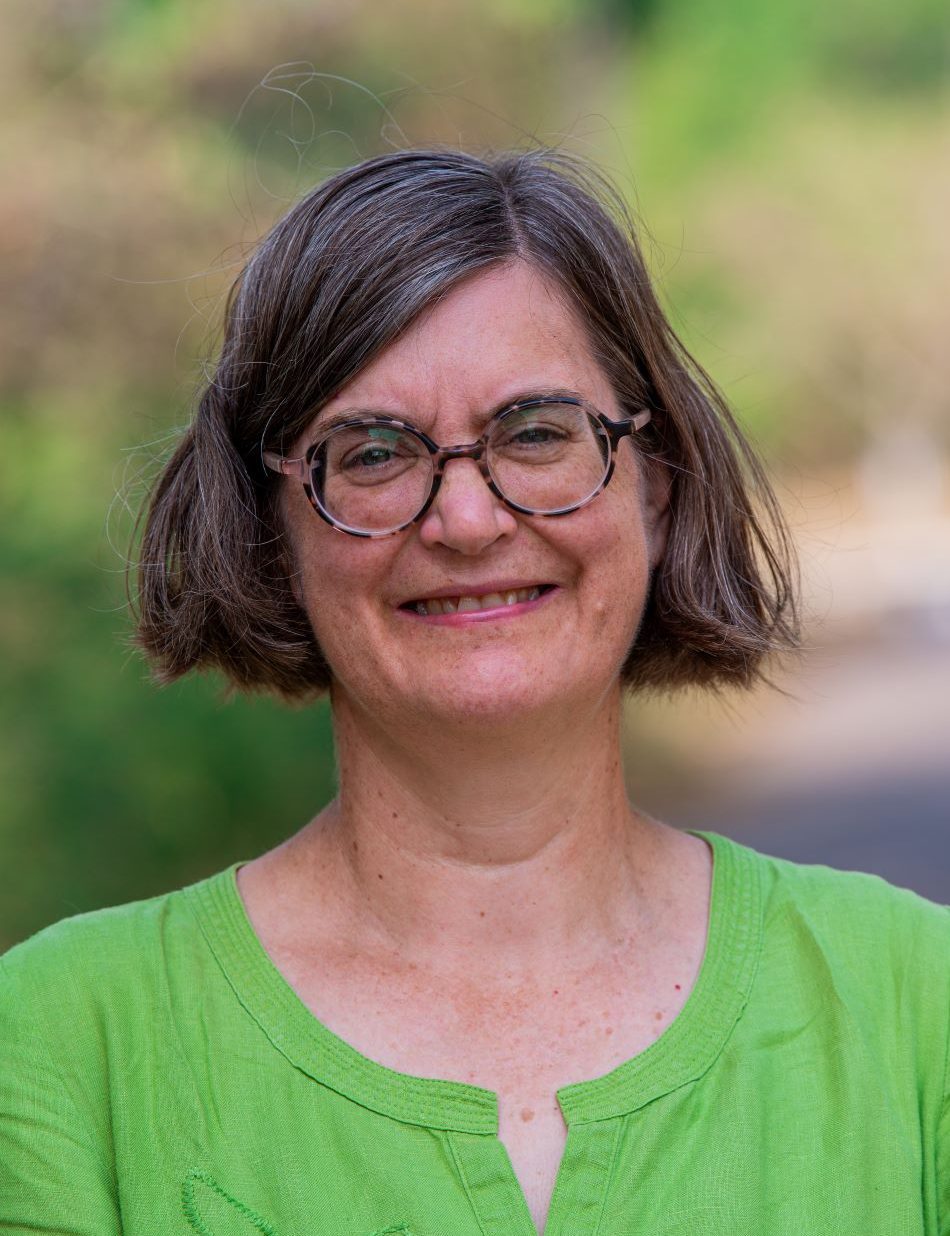

Cati Coe

Senior IFG Fellow

1 March - 30 June 2026

Cati Coe is an anthropologist in the Department of Political Science and serves as Canada Research Chair in Migration & Care at Carleton University. Her work has examined transnational migration, kinship, and aging, with a particular focus on West Africa.

MIASA Project: Transnational Social Protection among Aging Migrants

Aging immigrants from the Global South attain access to state social protection in the Global North through living and working there for decades. However, in the case of Ghanaian migrants to Canada, because of their low incomes or late entry into the workforce due to their migration, many find that they have to improvise to live on their state pensions: some share housing with their children and grandchildren; some continue working into their seventies; and some consider a permanent or partial return to Ghana attractive because pension payments will purchase more in Ghana than it would in Canada. However, a permanent return would further diminish the pensions of some former low-income workers because they would no longer be eligible for supplemental pension payments (GIS) which requires six months of residency in Canada per year. Many consider a partial return of several months to Ghana to be ideal, but that entails high costs in maintaining residences in both Canada and Ghana. The Canadian pension system pushes them into a set of dilemmas which make the attainment of social protection precarious. Building on the existing literature on social protection and transnational aging, this study examines how aging migrants navigate transnational dilemmas in care. With a longitudinal approach, this research will examine how decision-making about social protection changes over five years, in response to changing life circumstances and assessments about care needs. I will examine how these decisions are associated with and affect political belonging. The expansion of state social security has historically been tied politically to generating a sense of belonging among citizens, and benefits are closely linked to an individual’s political status, with practical and emotional effects. The study will focus on Ghanaian-Canadian aging immigrants in Canada and Ghana, a telling case study because of their desire to return and their propensity to invest in property in Ghana to ensure such a return. Furthermore, Ghana has relatively weak social protections for older persons in comparison to Canada, creating a strong contrast between the two countries. A Ghanaian-Canadian’s decision to age in Ghana may result from a sense of identification with Ghana, while Canada’s social protection may simultaneously push away and pull Ghanaian-Canadians to Canada. Migrants may understand Canada’s greater benefits as a sign of belonging but may have to stretch resources by living abroad. How Ghanaian immigrants to Canada stitch together local, national, and transnational resources for social protection and how such patchworking impacts their political belonging will be the focus of this study. I will pursue a transnational methodological approach which mirrors the transnational movement of the older people in the study. The methodology is significant because very little research on transnational aging has explored the impact of social protection on seniors’ political belonging and because most migration research is based on one-time interviews, capturing a particular point in time in migrants’ lives, but overlooking how feelings of belonging may shift in relation to significant health and life-course events. It will produce insight into the needed services, policies, and interventions for aging migrants in Canada. Students will be trained in coding and analysis of qualitative research and archival research. The findings will be disseminated to scholars through academic publications and conference presentations, and to policymakers and migrant associations through reports, opinion essays, and workshops.

Selected publications

Africa is undergoing major demographic change, the share of its older population is expected to increase faster than in other regions. This challenges families, households, institutions, practices of governance, civil ... Read more
Personal website

Institute:
Carleton University

Year:
2025/2026

Interdisciplinary Fellow Group:
IFG 14