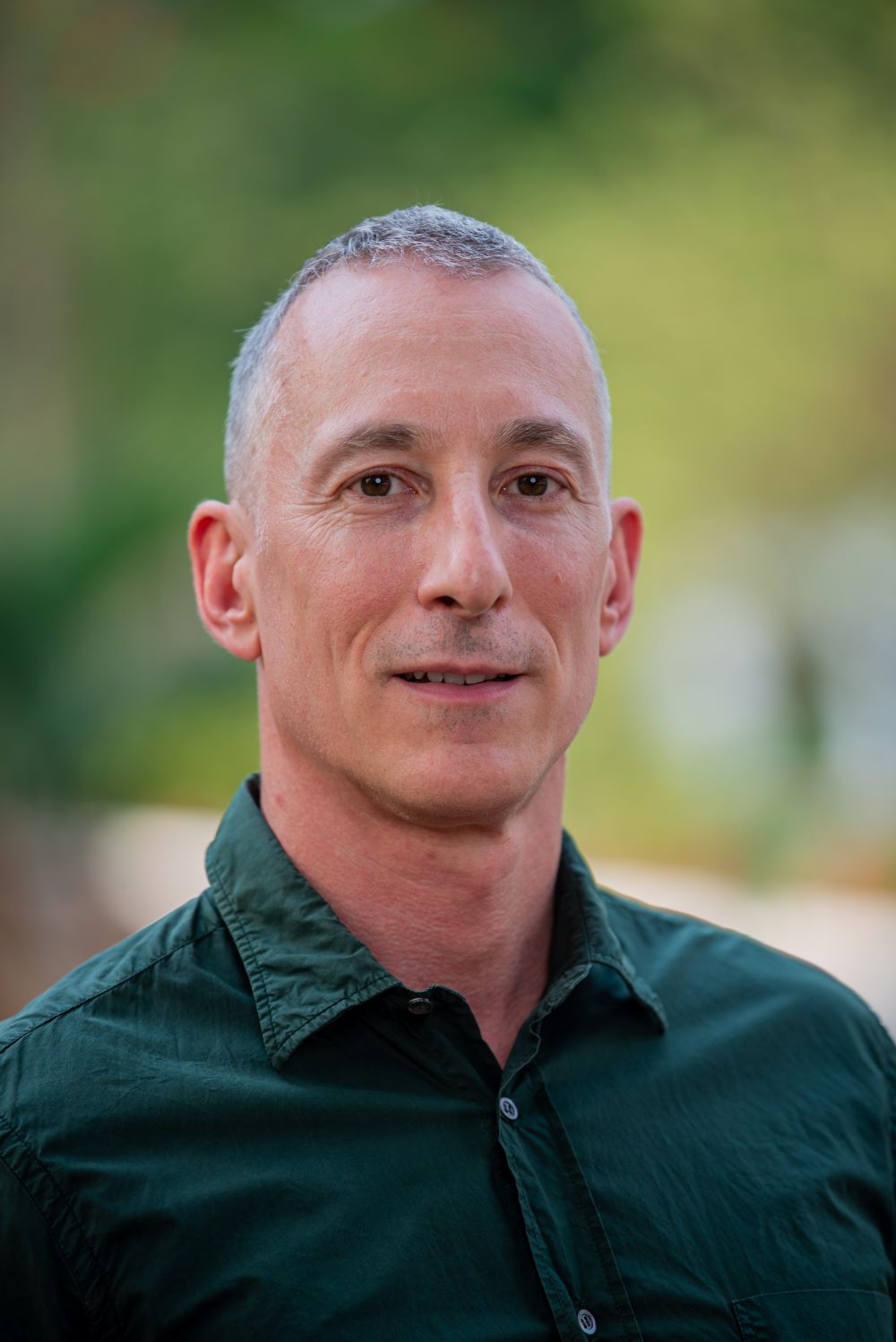
Kenny Cupers is Professor of Architectural History and Urban Studies at the University of Basel, where he co-founded and leads the Urban Studies division. Trained as an architect, urbanist, and historian, his research examines how built environments, infrastructure, and design articulate social, political, and ecological transformations in African and European societies. His work combines archival research with visual and spatial analysis, and is driven by collaborative forms of knowledge production. He is currently working on a book and feature-length documentary, both of which out of a long-term research collaboration focused on how citizens use performance arts and architecture to confront the enduring afterlives of colonialism (kamiriithuafterlives.net).
MIASA Project: Unmaking the Plantation: A Planetary History of Architecture
This book project, entitled “Unmaking the Plantation: A Planetary History of Architecture,” examines how African workers and peasants mobilized arts and architecture to unmake the colonial plantation as an economic system, a state of mind, and a physical reality etched into the landscape. Its central focus is the 1976 construction of an open-air theater in Kamĩrĩĩthũ, and the staging of “I Will Marry When I Want” by Ngũgĩ wa Thiong’o and Ngũgĩ wa Mirii. The theatre takes a prominent place in literature and performance studies, yet its architectural and environmental dimensions have been neglected. Drawing on a collaboratively produced archive grounded in over four years of research with Kenyan theatre performers and activists, the study approaches this theater as an architectural project of redressing the inheritance of the plantation system, with the aim of advancing a planetary history of architecture.
Selected publications
Cupers, Kenny & Ernest Sewordor. “European Urbanism from Africa: Exploring Research Directions” Cambridge Urban History of Europe, Volume 3: Modern Europe from c. 1850, edited by Dorothee Brantz and Gábor Sonkoly (Cambridge: Cambridge University Press, forthcoming 2025).